
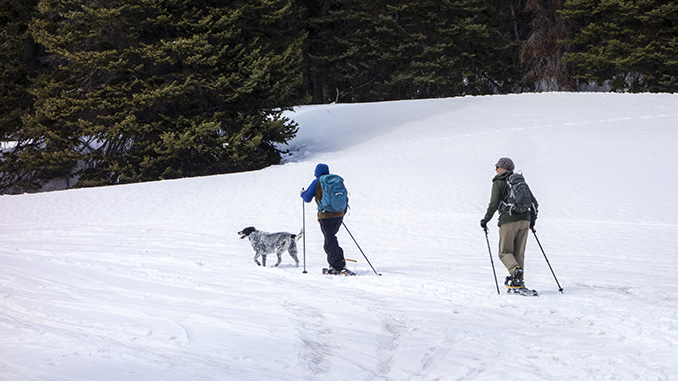
Ancient form of footwear evolves into multi-billion dollar winter activity
By Tom and Jerry Caraccioli
Having watched animals like snowshoe hares make their way across deep drifts of snow without sinking, indigenous peoples of Central Asia and Northern and Western Hemispheres four to six millennia ago would strap crudely-constructed frames of flat pieces of wood to their feet in the winter to go hunting.
Later known by modern designations as Kazakhs, Uzbeks or Turkics, these first “biomimickers” devised crude contraptions to aid in their life and death pursuits of trapping and hunting for food in the winter months. By spreading out human body weight so they wouldn’t sink in the snow, what became the first forms of “snowshoes” also helped these ancient people travel long distances.
As civilizations evolved, the ancient snowshoe evolved even more from the Indigenous groups in North America — Huron, Algonquin, Cree and Ojibwa. They helped perfect the design by bending local woods like ash into frames and lacing them with animal rawhide and sinew. Other forms and shapes like “Bearpaw” and the longer “Yukon” designs helped combat travel in even deeper, powdery snow.
In colonial times, especially in areas like the places we call home in Central New York, fur traders, European explorers and armies adopted these same tools to aid in their negotiation of the rugged terrain.
Today, technology has made the snowshoe even stronger and more manageable.
Metal tubing of lightweight aluminum and injection-molded plastic decks or wood create the designs for modern-day snowshoeing, which has become a $3.8 billion industry in 2025 and is projected to grow to nearly $7.5 billion by 2034.
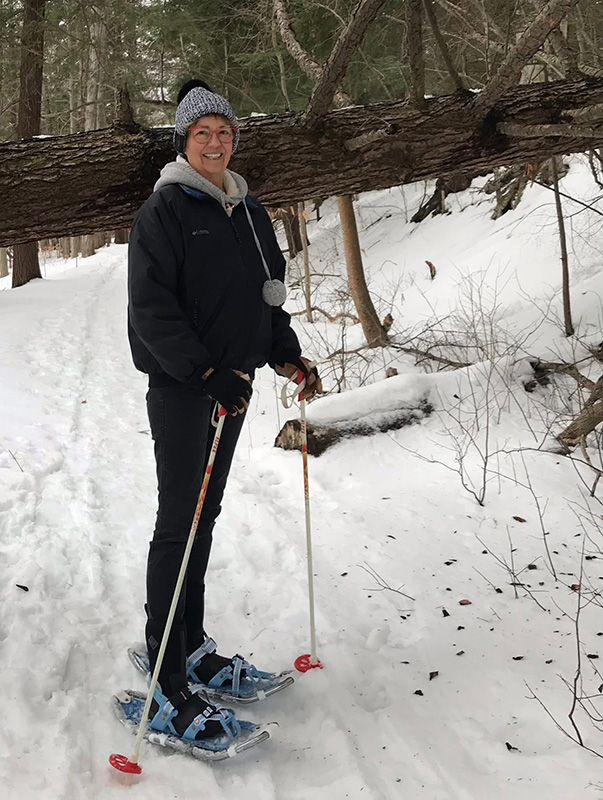
Each winter many people in Central New York trade their golf clubs for snowshoes and poles. They take to area golf courses like Battle Island State Park to indulge in this wintertime activity.
Snowshoeing also is great winter exercise that helps participants stay in shape when a lot of people — especially in the Northeast — want to make like bears and hibernate. It is a low-impact aerobic activity that extends hiking and running seasons into the winter. If there isn’t a trail, being the front person walking through a foot of snow while blazing the trail can really give trekkers a challenge and their legs quite a workout.
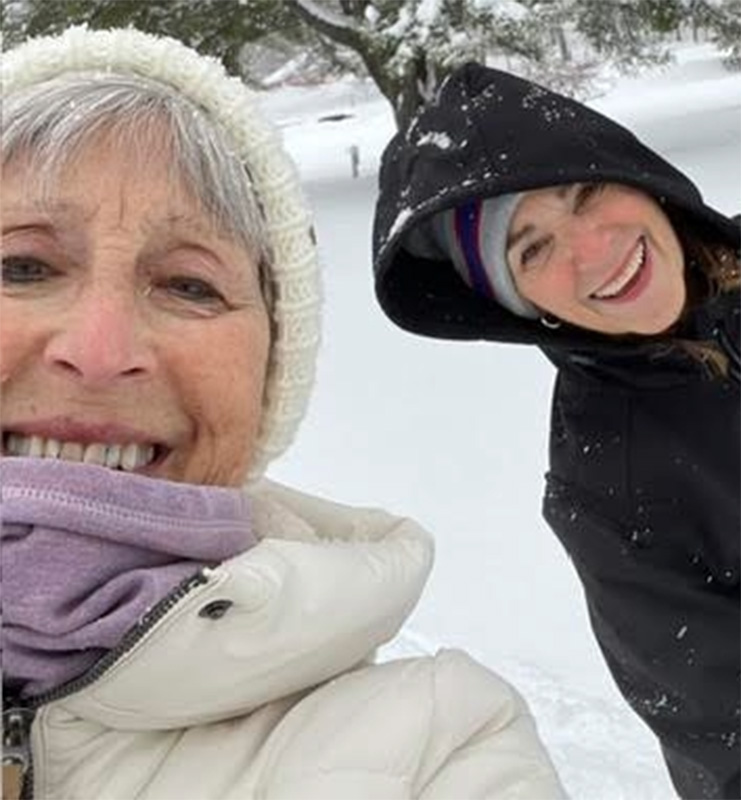
Oswego resident Christine Gioia took up snowshoeing three years ago when her friend and summer walking buddy, Robin McAleese, suggested it to stave off the sedentary lifestyle many fall prey to in the snow-filled months.
“It’s hard to find a place to walk in the winter so we decided to snowshoe on trails where we can enjoy nature,” Gioia explained. “Battle Island is our favorite place because it’s like walking through a snow globe. And it lets us enjoy the solitude of the outdoors in a different and less hectic setting compared to the summer.”
Not only is snowshoeing great exercise that elevates heart rates when most people only want to elevate their feet and watch TV, it offers another way to beat the winter blues.
“It’s a great way to get out into nature and be outside in the wintertime — instead of sitting in the house,” Gioia said with a smile on her face. “It’s a joyful and good way to have fun with my girlfriends.”
It’s no secret that winters can be tough in Central New York. If you enjoy the snow and winter, snowshoeing is a great alternative for people of all ages compared to higher risk winter activities, especially as you get older.
Why Your Should Try Snowshoeing
Snowshoeing, a great social activity: All ages and ability levels can enjoy the sport together.
It’s inexpensive: If gear and lift-ticket prices for skiing and snowboarding give you pause, you’ll be happy to know that snowshoeing is affordably priced. Your required gear includes snowshoes and appropriate attire; poles are also recommended but not required.
Here are the basics for your first time snowshoeing:
• Get snowshoes that are right for your weight, the terrain and the snow conditions
• Wear warm, waterproof boots
• Dress in layers with clothing that can handle cold, wet conditions
• Bring adjustable poles with snow baskets (optional but recommended).
Tom and Jerry Caraccioli are freelance writers originally from Oswego. They have co-authored several books, mostly about hockey. They also host a monthly television and multi-platform segment on WSYR-Channel 9 (ABC), “Backroads to Bridge Street with Tom & Jerry.”