
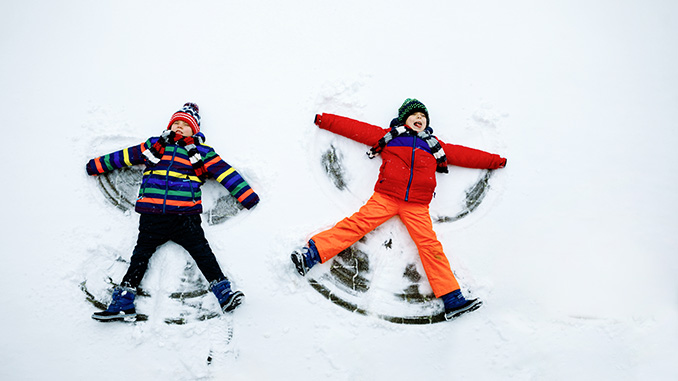
(But not for school superintendents or administrators)
By Tom and Jerry Caraccioli
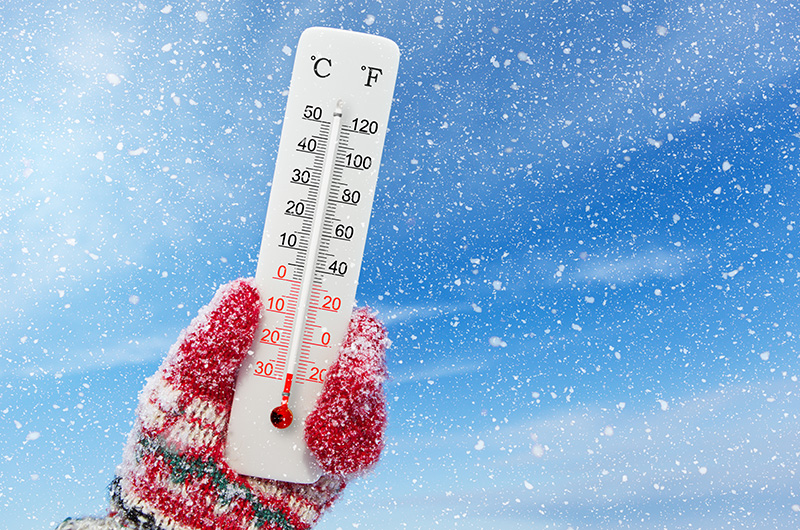 In many cases, lake effect snow is a result of cold arctic air picking up moisture while whipping over Lake of Ontario and is as inevitable as the snow that falls from its clouds.
“Snow days.”
Two words describe them and conjure up great reactions from those affected most: exuberant glee from children; concealed happiness from some adults; and great anguish from many other adults.
For school children, they are a free, unscheduled day off, part holiday, gift and bonus all in one. The same can be said, though probably in more hushed tones, by teachers and school personnel.
But while snow days — aka emergency closing days — do serve as unexpected treats for students, faculty and personnel, for district superintendents, who make the calls to cancel school, it is not easy, fun or a day off for them. It is an intense, worrisome day on.
Each year, over the course of months from September to June, an official school year requires district public schools open its doors for at least 180 days of instruction in order to receive state-mandated funding. Superintendents of those school districts carry the burden of making sure those doors are opened even if the weather becomes suspect on days during the winter months.
“We build in five emergency closing days most years. But it depends on a given year,” Oswego City School District Superintendent Raymond Kilmer III said. “Last year, I believe, I had six built in. It really comes down to when Labor Day falls. When is the last regents exam? And then we look at the holidays and how do we build in enough snow days to get us through? Five days is the floor for us in Oswego County.”
Operational rules about how “snow days” are to be mandated follow guidelines from the New York State Education Department and are set by district school boards. The district superintendent makes the final call on whether a day of school should be canceled, delayed or shifted to a remote learning day.
But the decision to make the call on a potential snow day is not exactly a unilateral one, nor is it made without first being thoroughly researched, consulted and discussed.
“All of the area superintendents text each other on a fairly regular basis,” Kilmer explained. “Each of us have our own weather service that we use to help us. We contract with a weather service that gives us regular updates about the forecast. I also have a meteorologist that I can call directly and ask additional clarifying questions about timing, severity and what do we think might happen.”
On a typical day starting at 4 a.m., the superintendent is looking at whether he needs to close or delay school. They get up and start reviewing updated forecasts and make phone calls to their transportation directors, as well as facility grounds personnel.
A factor included in the decision-making process is providing meals to students. “We provide two meals a day to our students,” Kilmer said. “So, we know school is a warm and safe place for our children to come. If we can open safely, we make it a priority to do so.”
In the event a district runs out of emergency closure days, they run remote instruction and learning. Because of Covid-19, many families are used to that process. The district tries to provide families with clarity prior to a closing or delay.
And as those who live in Central New York know all too well, weather from one school district to the next and within, can be very different. It literally can depend on which way the wind blows.
“Two years ago, I had to close school because 15% of our district was impassable,” Kilmer recalled. “The city was clear, but Scriba had a white-out and Minetto was getting 12 inches. We have to look at each part of the district when we are evaluating whether we should open, delay or call the day. When we have to make a change, it’s a difficult process.”
However, when it comes to anything that could jeopardize the opening of school and welcoming students safely, the superintendent always looks at safety first.
“Student and staff safety is always our first consideration,” the superintendent vehemently said. “Is it safe to get buses rolling? Is it safe for our walkers to make it to school? Is it safe for our families to drive? Safety is always first.”
If not, break out the sleds, skates and skis. It’s a snow day!
Tom and Jerry Caraccioli are freelance writers originally from Oswego. They have co-authored several books, mostly about hockey. They also host a monthly television and multi-platform segment on WSYR-Channel 9 (ABC), “Backroads to Bridge Street with Tom & Jerry.”